
search engine optimization
Search Engine Optimization (SEO)
The content of an SEO course can vary depending on the level (beginner, intermediate, advanced) and the specific focus of the course. However, here are some common topics that are typically covered in an SEO course

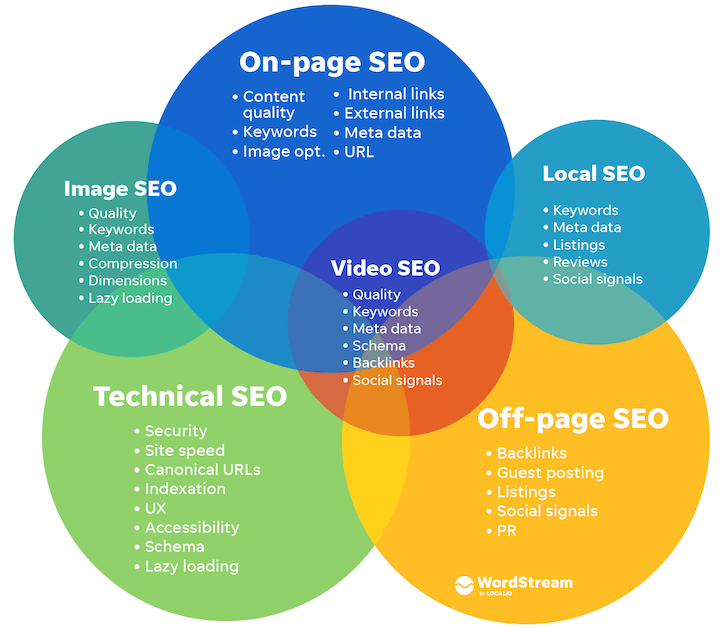
Understanding the importance of SEO:
- Differentiating between organic and paid search results
- Exploring the role of search engines in website visibility
Keyword Research:
- Conducting keyword research to identify relevant search terms
- Utilizing keyword research tools and techniques
- Analyzing keyword competition and search volume
Off-Page Optimization and Link Building:
- Understanding the role of backlinks in SEO
- Identifying authoritative and relevant websites for link building
- Building high-quality backlinks through outreach and content promotion
- Utilizing social media for link building and brand exposure
SEO Analytics and Reporting:
- Setting up and analyzing website traffic using tools like Google Analytics
- Monitoring keyword rankings and organic search visibility
- Tracking user behavior and engagement metrics
- Generating SEO reports and identifying areas for improvement
Mobile SEO (Optional):
- Understanding the importance of mobile-friendly websites
- Optimizing websites for mobile devices and responsive design
- Utilizing AMP (Accelerated Mobile Pages) for faster mobile experiences
- It’s worth noting that SEO is a dynamic field, and new techniques and best practices continually emerge. Therefore, a comprehensive SEO course will also emphasize the importance of staying updated with algorithm changes, industry trends, and ongoing experimentation to adapt to the evolving SEO landscape.
On-Page Optimization:
- Optimizing website content, titles, headings, and meta tags for target keywords
- Understanding the importance of proper URL structure and internal linking
- Incorporating relevant keywords in image alt tags and file names
- Enhancing user experience and site navigation for better SEO performance
Technical SEO:
- Understanding website architecture and site crawlability
- Optimizing website speed and performance
- Implementing proper URL canonicalization and redirects
- Creating XML sitemaps and submitting them to search engines
- Managing robots.txt and meta robots tags
SEO Analytics and Reporting:
- Setting up and analyzing website traffic using tools like Google Analytics
- Monitoring keyword rankings and organic search visibility
- Tracking user behavior and engagement metrics
- Generating SEO reports and identifying areas for improvement
Local SEO (Optional):
- Optimizing websites for local search results and Google My Business
- Managing online reviews and reputation management
- Implementing local citation building and NAP consistency